Discover the Provocative World of Modern Shunga: Where Tradition Meets Contemporary Wit
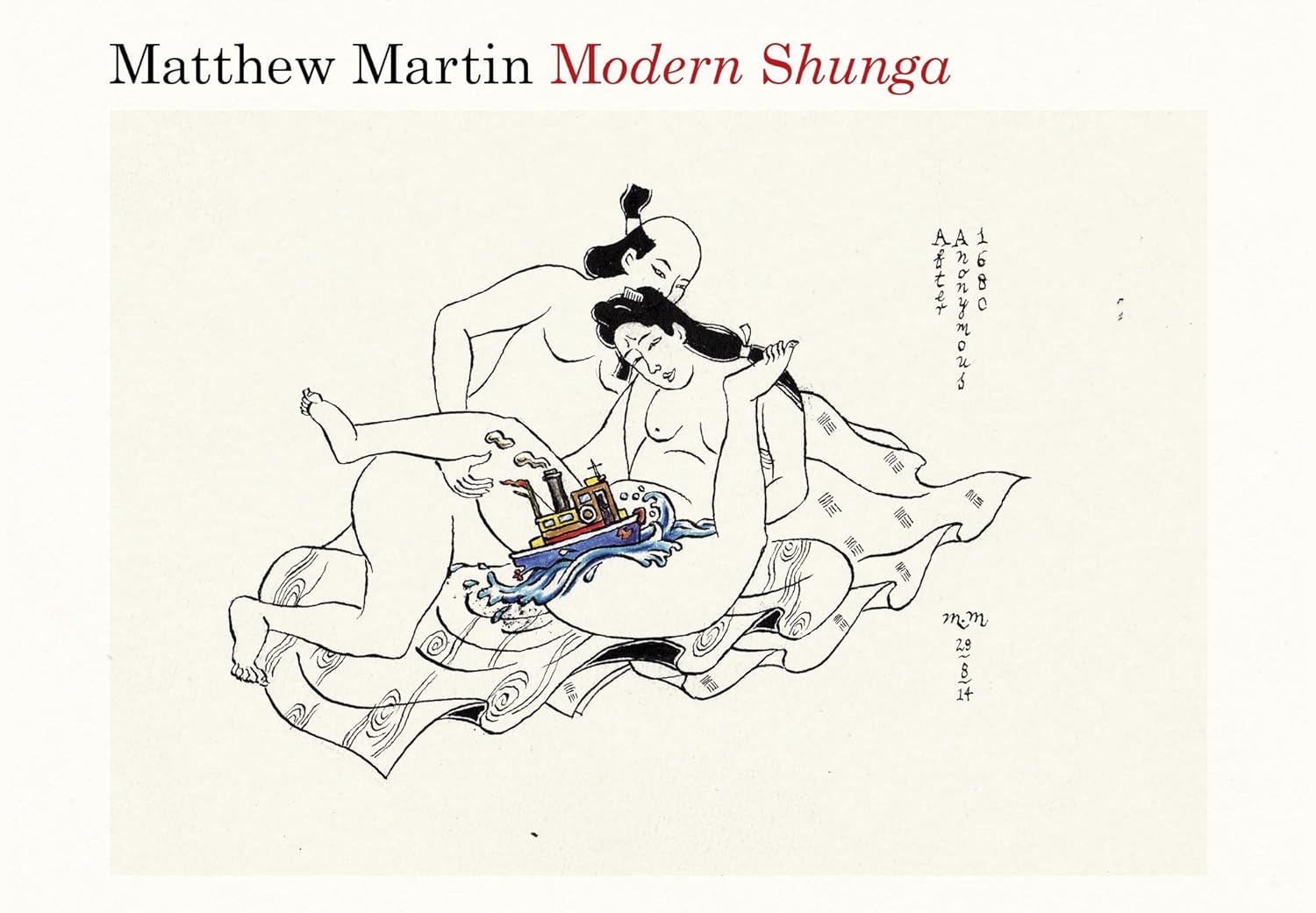
In the fascinating intersection of historical Japanese eroticism and contemporary artistic expression lies "Modern Shunga," a captivating collection of 24 full-color drawings that breathes new life into an age-old artistic tradition. This remarkable digital art book showcases satirical cartoonist Matthew Martin's brilliant reinterpretation of traditional shunga, the celebrated Japanese erotic art form that flourished during the Edo period. With witty cultural references and unexpected artistic allusions, this 29-page visual journey transforms classical sensuality into something thoroughly modern, provocative, and often surprisingly humorous. For connoisseurs of erotic art, Asian artistic traditions, or simply those who appreciate high-class illustrations with a risqué twist, this digital collection represents a bold new chapter in the evolution of shunga for the 21st century.
The Rich History and Evolution of Shunga Art
Shunga, which literally translates to "spring pictures" in Japanese, represents a venerable artistic tradition with roots stretching back centuries in Japanese culture. Long before the digital age and modern publishing, these explicit yet aesthetically sophisticated woodblock prints circulated widely throughout Japanese society, from the imperial court to merchant households. Unlike Western approaches to erotic imagery, which often carried heavy moral judgments, shunga existed as a celebrated art form that depicted human sexuality with both anatomical exaggeration and refined artistic technique. The genre reached its pinnacle during the Edo period (1603-1867), when master artists like Utamaro, Hokusai, and Kunisada created works that were simultaneously explicit, humorous, and artistically accomplished.
What makes traditional shunga particularly fascinating is how it balanced explicit sexual content with artistic elements that elevated it beyond mere pornography. The compositions typically featured lavish textiles with intricate patterns, creating visual complexity that complemented the intimate scenes. Characters were often partially clothed rather than fully nude, with their faces expressing genuine emotion rather than stylized ecstasy. Perhaps most distinctively, the genitalia were typically exaggerated in size – not merely for shock value, but to emphasize the central importance of physical connection in the narrative of each piece. These artistic choices created works that celebrated sexuality as a natural, joyful aspect of human experience.
The cultural context of shunga is equally important to understand. Unlike some Western assumptions that might categorize such explicit art as underground or taboo, shunga prints were widely collected and appreciated across Japanese society. They served multiple purposes: as educational materials for young brides, as talismans for warriors heading to battle, as sophisticated gifts between couples, and simply as objects of artistic appreciation. This mainstream acceptance reflects a historical Japanese perspective that viewed sexuality as a natural part of life rather than something to be hidden away. The prints often included humorous dialogue, situational comedy, and references to contemporary culture – elements that Matthew Martin brilliantly recaptures in his modern reinterpretation.
While the Meiji era (1868-1912) brought Western influences and increasing censorship of explicit materials to Japan, shunga continued to influence global art movements. Its impact can be seen in the works of impressionists like Toulouse-Lautrec and Degas, who were fascinated by Japanese artistic techniques and subject matter. The bold compositions, unusual perspectives, and unapologetic celebration of physical pleasure found in shunga challenged Western artistic conventions and helped shape modern approaches to depicting the human form. This rich historical lineage provides the foundation upon which "Modern Shunga" builds its contemporary vision – honoring tradition while playfully subverting it for today's audiences.
Matthew Martin's Artistic Journey and Creative Process
The genesis of "Modern Shunga" reveals the serendipitous nature of artistic inspiration. As the product description notes, this collection began with a seemingly mundane commission: Martin was asked to design bathroom door icons for an upscale Japanese restaurant outside Sydney. What might have been a simple commercial assignment instead triggered a profound artistic exploration. After numerous "inappropriate attempts" at conventional signage, Martin reconnected with his longstanding admiration for traditional shunga. This creative detour ultimately blossomed into the full series of drawings that comprise this digital collection – a perfect example of how artistic inspiration can emerge from unexpected sources.
Matthew Martin brings significant artistic credentials to this project. As an established Australian cartoonist and illustrator, he has developed a distinctive visual style that balances satirical edge with technical precision. His background in cartooning proves particularly well-suited to reinterpreting shunga, as both forms share an interest in exaggeration, humor, and social commentary. Martin's professional experience creating images that communicate quickly and memorably serves him well in this collection, where each illustration must simultaneously honor tradition, incorporate contemporary references, and deliver its own visual punchline. The resulting works demonstrate his ability to synthesize these elements into cohesive, compelling images.
What distinguishes Martin's approach is his skillful fusion of classical shunga elements with unexpected contemporary references. Traditional shunga typically featured recognizable character types and settings from Edo-period Japan, but Martin transplants this visual language into modern contexts. A classical intimate pose might suddenly incorporate references to contemporary pop culture, famous artworks, or modern social situations. This juxtaposition creates a delightful cognitive dissonance – the familiar forms and exaggerations of historical shunga suddenly colliding with elements from our current visual landscape. The effect is both intellectually stimulating and genuinely humorous, elevating the collection beyond mere pastiche.
The exhibition of these works at a "distinguished Sydney gallery" speaks to their artistic merit beyond their erotic content. According to the product description, the show received "rave reviews" and developed "a cult following" – suggesting that Martin successfully navigated the challenging territory between explicit content and legitimate artistic expression. This gallery validation positions "Modern Shunga" within the contemporary fine art conversation rather than relegating it to more limited categories. The transition from gallery walls to digital format allows these images to reach a broader audience while maintaining their artistic integrity. Each of the 24 illustrations can be appreciated both individually as standalone works and collectively as a thoughtful exploration of how historical artistic traditions can be reimagined for contemporary sensibilities.
Martin's color palette and technical approach also deserve attention. Traditional shunga employed the woodblock printing techniques of their era, with characteristic line work and color limitations. Martin's full-color drawings maintain some connection to these historical techniques while embracing the expanded possibilities of modern media. His satirical background influences his approach to facial expressions and bodily proportions, creating characters that communicate emotion through exaggeration – a technique that aligns perfectly with traditional shunga's own stylistic choices. This technical continuity across centuries demonstrates how certain artistic approaches to depicting intimacy remain effective regardless of the specific cultural context or time period.
Cultural References and Artistic Allusions in Modern Shunga
What elevates "Modern Shunga" beyond mere reproduction of a historical art form is its rich tapestry of cultural references and artistic allusions. Throughout the 24 illustrations, Martin weaves in "witty and often unlikely cultural and artistic references" that create multiple layers of meaning for the informed viewer. These references might include nods to famous Western artworks, reimagining classical poses from Renaissance paintings in the stylistic language of shunga. Other illustrations might incorporate elements from contemporary advertising, fashion photography, or cinema – creating unexpected juxtapositions that highlight both similarities and differences in how various cultures and time periods depict intimacy.
The humor in "Modern Shunga" operates on several levels simultaneously. At its most immediate, there's the inherent comedy in the exaggerated proportions and enthusiastic activity typical of the shunga tradition. Martin preserves this aspect while adding another layer of wit through his contemporary insertions. A classical intimate scene might suddenly incorporate modern technology, creating absurd situations that comment on how digital devices have infiltrated even our most private moments. Other illustrations might play with anachronistic elements – historical figures or characters placed in compromising positions that subvert their public personas. This multilayered approach to humor ensures that different viewers can find different aspects to appreciate, from straightforward visual jokes to more subtle cultural commentary.
The "unlikely" nature of many references in the collection speaks to Martin's creative approach. Rather than making obvious connections, he seems to delight in surprising the viewer with unexpected combinations. This might include placing elements from completely different artistic traditions side by side – perhaps a composition that references both ukiyo-e prints and Pop Art simultaneously. Other illustrations might combine high and low culture, juxtaposing references to classical literature with elements from contemporary popular entertainment. These unexpected combinations create a sense of discovery for the viewer, rewarding close attention and cultural knowledge with layers of meaning beyond the initial impression.
While maintaining a playful tone, "Modern Shunga" also engages with more substantive questions about how sexuality is represented across different cultures and time periods. Traditional shunga emerged from a cultural context with different attitudes toward explicit imagery than those that prevail in many contemporary Western societies. By reinterpreting this tradition through a contemporary lens, Martin's work implicitly invites viewers to question their own cultural assumptions about erotic art. The collection navigates the space between appreciation and appropriation, honoring the artistic achievements of historical shunga while acknowledging the different context in which these new works exist. This thoughtful engagement with cultural dynamics elevates the collection beyond simple novelty.
The description of the collection as "high-class dirty pictures" perfectly captures its dual nature – simultaneously sophisticated in its artistic execution and explicit in its content. This tension between the refined and the risqué has always been central to the shunga tradition, which presented explicit scenes with extraordinary artistic skill and attention to detail. Martin continues this tradition by creating works that can be appreciated for their technical execution, compositional strength, and cultural references independent of their erotic content. This artistic quality distinguishes "Modern Shunga" from less accomplished explicit imagery and places it firmly within the tradition of erotic art that includes names like Rodin, Klimt, and Schiele – artists whose treatment of sexuality was inseparable from their broader artistic vision.
The Digital Experience: Enjoying Modern Shunga in Contemporary Format
As a digital publication, "Modern Shunga" represents an interesting evolution in how we experience erotic art. Traditional shunga prints were physical objects – often bound into small, private albums that could be easily hidden away or shared in intimate settings. The transition to a digital format creates new possibilities for both private appreciation and broader distribution. With enhanced typesetting and compatibility with screen readers, this digital collection makes these works accessible in ways that would have been unimaginable to the original shunga artists. The 12.1 MB file size ensures high-quality reproduction of Martin's detailed illustrations while remaining manageable for various digital devices.
The digital format offers several advantages for experiencing this particular collection. The privacy of e-readers and tablets allows for discreet enjoyment of explicit content – continuing the tradition of shunga as art meant for personal appreciation. The ability to zoom in on specific details enables viewers to fully appreciate the intricacies of Martin's illustrations, from facial expressions to the cultural references embedded throughout each composition. Text-to-speech functionality, while perhaps not central to a primarily visual work, ensures accessibility for viewers with visual impairments who can still engage with the descriptive elements and context of the collection.
At 29 pages, "Modern Shunga" is concise yet substantial – offering enough variety to showcase the range of Martin's interpretations while maintaining a focused thematic coherence. This length allows each illustration to receive proper attention rather than being lost in an overwhelming volume of images. The digital format also potentially allows for future expansions or updates – perhaps incorporating new works or additional contextual information about the historical traditions being referenced. This adaptability represents another way in which the digital medium creates new possibilities for experiencing and engaging with artistic traditions.
For collectors of erotic art or Japanese artistic traditions, "Modern Shunga" offers a contemporary addition to their digital libraries. While physical art books certainly maintain their own appeal, the digital format makes this collection more accessible to a global audience interested in this unique artistic intersection. The relatively niche ranking in categories like "Asian Art eBooks" and "Erotic Art" indicates that this is a specialized work appealing to particular artistic interests rather than a mainstream publication. This positioning aligns with the tradition of shunga itself – art with explicit content but created with sophisticated artistic intentions for discerning audiences.
Published by Blue Rider Press in October 2015, "Modern Shunga" represents a digital preservation of the gallery exhibition that originally showcased these works. This transformation from gallery walls to digital pages democratizes access to art that might otherwise have been viewed only by those able to attend the Sydney exhibition in person. The digital format ensures that Martin's reinterpretation of this historical tradition remains available to art enthusiasts, scholars of Japanese culture, and anyone interested in how traditional art forms can be reimagined for contemporary sensibilities. This accessibility continues the evolution of shunga from its origins as prints circulated among Japanese households to its current incarnation as globally available digital art.
The Perfect Gift: Modern Shunga as a Sophisticated Artistic Offering
The product description specifically positions "Modern Shunga" as "the perfect gift for lovers of, well, high-class dirty pictures." This framing acknowledges both the sophisticated artistic merits of the collection and its explicitly erotic content. As a gift, it represents a thoughtful choice for recipients with an appreciation for art history, Japanese cultural traditions, satirical illustration, or erotic art more generally. The digital format makes it an easily deliverable present that doesn't require the potentially awkward physical handover of explicit material – a modern solution to sharing content that continues the discreet tradition of shunga albums.
What makes this collection particularly suitable as a gift is its multilayered appeal. For recipients with knowledge of traditional Japanese art, the references to historical shunga provide a foundation for appreciating Martin's contemporary innovations. For those more familiar with modern cartooning and illustration, his technical skill and satirical sensibility offer points of connection. The cultural and artistic references embedded throughout the collection reward repeated viewing, making it a gift that continues to reveal new aspects over time. This depth distinguishes it from more superficial or purely titillating explicit material, positioning it as a thoughtful present for those with sophisticated tastes.
The description of the Sydney gallery exhibition developing "a cult following" suggests that this collection appeals to those who appreciate being in-the-know about unique artistic expressions. As a gift, it offers the recipient membership in this select group of individuals who have discovered and appreciated Martin's distinctive vision. This exclusivity appeal is enhanced by the relatively niche positioning of the collection in specialized categories rather than mainstream bestseller lists. For gift-givers looking to demonstrate their discerning taste and knowledge of unique artistic offerings, "Modern Shunga" represents an opportunity to present something genuinely distinctive rather than predictable.
The juxtaposition of historical tradition and contemporary sensibility makes this collection particularly relevant as a gift in our current cultural moment. As global interest in Japanese culture continues to grow, many Western audiences are developing more nuanced appreciation for Japanese artistic traditions beyond simplified stereotypes. Simultaneously, contemporary discussions about sexuality and its representation are evolving rapidly. "Modern Shunga" engages with both these trends, offering a thoughtful exploration of how historical approaches to depicting intimacy can inform contemporary artistic expression. This cultural relevance makes it a timely gift for recipients interested in these intersections.
While the explicit nature of the content certainly limits the appropriate contexts for gifting this collection, its artistic merit and cultural significance distinguish it from more casual or purely commercial erotic material. The gallery exhibition validation, artistic pedigree of the creator, and thoughtful engagement with historical traditions all contribute to positioning "Modern Shunga" as a legitimate artistic work that happens to contain explicit content rather than explicit content masquerading as art. This distinction makes it an appropriate gift for recipients with mature artistic interests and appreciation for how sexuality has been represented across different cultural traditions and historical periods.
Conclusion: A Vibrant Reimagining of Artistic Tradition
"Modern Shunga" represents a fascinating contemporary engagement with a historical artistic tradition. Through Matthew Martin's 24 full-color illustrations, viewers experience the playful collision of traditional Japanese erotic art with modern sensibilities, cultural references, and artistic allusions. The collection succeeds in honoring the sophisticated artistic heritage of shunga while reimagining it for contemporary audiences – preserving the characteristic exaggeration, humor, and celebration of physical intimacy while introducing new contexts and references that speak to our current visual culture.
What distinguishes this collection is its multilayered appeal. At the most immediate level, the illustrations provide the explicit content promised by the shunga tradition. Beyond this surface appreciation, viewers can engage with the technical skill of Martin's execution, the cleverness of his cultural references, the satirical edge of his interpretations, and the thoughtful dialogue he creates between historical and contemporary approaches to depicting intimacy. This depth ensures that "Modern Shunga" rewards repeated viewing and consideration rather than being quickly consumed and forgotten.
For those interested in exploring this unique artistic intersection, "Modern Shunga" offers a digital gateway into a fascinating tradition reimagined for our time. The 29-page collection provides enough variety to appreciate the range of Martin's vision while maintaining a cohesive artistic statement. Whether approached as a personal indulgence, an addition to a digital art collection, or a distinctive gift for someone with appropriate artistic interests, these "high-class dirty pictures" deliver a sophisticated experience that balances explicit content with genuine artistic merit.
If you're intrigued by this contemporary take on traditional Japanese erotic art, you can easily find this digital collection online. A quick search for "Modern Shunga" will direct you to various online retailers where this unique artistic work is available for immediate digital delivery. Whether you're a longtime enthusiast of Japanese artistic traditions, a collector of erotic art, or simply someone who appreciates innovative artistic expressions that challenge conventional boundaries, this collection offers a distinctive addition to your digital library that celebrates the enduring power of artistic traditions to evolve and speak to new generations.