Peace of Mind When You Need It Most: The Ultimate Guide to Emergency Contraception
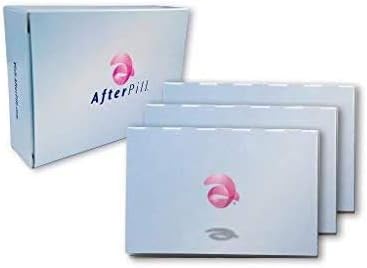
When life takes unexpected turns, having access to reliable emergency contraception can make all the difference. The one-step morning after emergency contraceptive pill containing 1.5mg levonorgestrel provides a crucial safety net for women in situations where primary birth control methods have failed or weren't used. This emergency contraceptive option reduces the chance of pregnancy after unprotected sex, offering the same trusted medicine that doctors recommend most frequently. With its discreet shipping and innovative wallet packaging, this emergency contraception solution ensures easy access exactly when needed, with current supplies maintaining effectiveness until April 2027.
Understanding Emergency Contraception: What It Is and How It Works
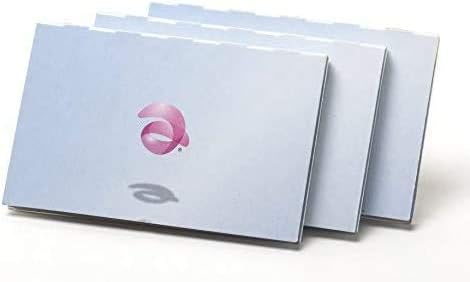 Emergency contraception, often referred to as the "morning after pill," serves as a backup method to prevent pregnancy after unprotected intercourse or when regular contraception fails. The emergency contraceptive pill containing 1.5mg of levonorgestrel works primarily by delaying or preventing ovulation, which is the release of an egg from the ovary. If an egg isn't released, it cannot be fertilized by sperm, thus preventing pregnancy. It's important to understand that this form of emergency contraception is not an abortion pill and will not terminate an existing pregnancy. Rather, it prevents pregnancy from occurring in the first place.
The effectiveness of emergency contraception depends largely on how quickly it's taken after unprotected sex. When taken within 24 hours, the one-step emergency contraceptive pill can be up to 95% effective in preventing pregnancy. This effectiveness gradually decreases as time passes, which is why having emergency contraception readily available at home can be a crucial factor in its success. With a shelf life extending to April 2027, keeping these tablets on hand ensures you're prepared for unexpected situations without worrying about expiration.
Levonorgestrel, the active ingredient in this emergency contraceptive, is the same medication found in many regular birth control pills, just at a higher dose. It has been extensively studied and has a well-established safety profile. Medical professionals worldwide recommend it as the first-line emergency contraceptive option due to its effectiveness and minimal side effects compared to other alternatives. The 1.5mg dosage has been specifically formulated to provide optimal effectiveness while minimizing potential side effects.
The Importance of Accessibility and Preparedness
Having emergency contraception available before you need it is perhaps one of the most important aspects of its effectiveness. In emergency situations, time is of the essence. The sooner the pill is taken after unprotected sex, the more effective it is at preventing pregnancy. Unfortunately, many women find themselves in situations where they need emergency contraception outside of pharmacy hours, during holidays, or when traveling away from home. Having a supply of emergency contraceptive pills already in your medicine cabinet eliminates the stress and uncertainty of having to find a pharmacy during these critical hours.
 The innovative wallet packaging of this emergency contraceptive makes it discreet and easy to store. Its compact size—measuring just 4.5 x 0.25 x 3.25 inches—means it can be kept in a purse, travel bag, or medicine cabinet without taking up much space. The packaging is designed not only for convenience but also for privacy, allowing women to maintain their confidentiality when they need to use the product. This thoughtful design acknowledges the sensitive nature of emergency contraception and respects the user's need for discretion.
Accessibility also means affordability. While emergency contraception is available through prescriptions and over-the-counter at pharmacies, having a supply at home can often be more cost-effective, especially when purchased in a multi-tablet pack. With three tablets included, this emergency contraception option provides multiple instances of protection, whether for one person over time or to share with trusted friends or family members who might need it. This approach to emergency contraception access can create a support network among women, ensuring that help is available when needed most.
The long shelf life of these emergency contraceptive pills—extending to April 2027—means that purchasing them in advance is a practical decision. Unlike many medications that expire quickly, these tablets maintain their effectiveness for years when stored properly. This extended expiration date makes it a sensible addition to any woman's health preparation strategy, providing peace of mind that protection is available should unexpected situations arise.
Safety, Side Effects, and What to Expect
The emergency contraceptive pill containing 1.5mg levonorgestrel has been extensively studied and has a strong safety record. It's important to understand what to expect when taking this medication to alleviate concerns and ensure proper use. Most women tolerate the pill well, with minimal side effects. Some may experience mild symptoms such as nausea, fatigue, headaches, dizziness, breast tenderness, or irregular bleeding. These side effects are typically short-lived and resolve on their own within a day or two.
One common concern is how emergency contraception might affect the menstrual cycle. After taking the pill, some women may experience changes in their next period. It might come earlier or later than expected, and the flow might be lighter or heavier than usual. These variations are temporary and typically return to normal with the following cycle. If your period is more than a week late after taking emergency contraception, it's advisable to take a pregnancy test to ensure the pill was effective.
 Unlike some other medications, emergency contraception containing levonorgestrel doesn't have many contraindications or drug interactions. It's generally safe for most women, including those who cannot take estrogen-based contraceptives. However, it's worth noting that its effectiveness might be reduced in women with a BMI over 30. Additionally, certain medications like some anticonvulsants, tuberculosis treatments, or HIV medications may decrease its effectiveness. In such cases, consulting with a healthcare provider about alternative emergency contraception options is recommended.
It's important to understand that while emergency contraception is highly effective, it's not 100% guaranteed to prevent pregnancy. The sooner it's taken after unprotected sex, the more effective it will be. Additionally, it's designed for emergency use only and should not replace regular contraception methods. If you find yourself frequently relying on emergency contraception, it may be worth discussing more consistent birth control options with your healthcare provider.
After taking emergency contraception, it's essential to continue using regular contraception for the remainder of your cycle. The pill doesn't provide ongoing protection against pregnancy beyond the specific instance of unprotected sex it was taken for. If you have unprotected sex again after taking emergency contraception, even within the same cycle, you would need to take another dose to protect against pregnancy from that encounter.
Common Scenarios: When Emergency Contraception Is Needed
Understanding when emergency contraception might be necessary helps in making informed decisions about sexual health. There are several common scenarios where having access to emergency contraceptive pills can provide crucial protection against unplanned pregnancy. One of the most frequent situations is when a condom breaks, slips, or is used incorrectly during intercourse. Despite best intentions, these mechanical failures can happen and leave couples vulnerable to pregnancy risk.
Another common scenario involves missed or late birth control pills. The effectiveness of oral contraceptives depends on consistent daily use. If you've missed multiple pills, especially at the beginning or end of your pack, your protection against pregnancy may be compromised. In such cases, emergency contraception can serve as a backup method to prevent pregnancy until you can resume your regular birth control regimen.
Unexpected sexual encounters where no contraception was used also warrant emergency contraception. While planned protection is always preferable, life doesn't always go according to plan. Having emergency contraception available means being prepared for these unexpected moments without judgment or panic. It empowers individuals to take control of their reproductive health even when circumstances aren't ideal.
 Unfortunately, sexual assault is another situation where emergency contraception may be needed. In these traumatic circumstances, emergency contraceptive pills can provide some measure of control and prevent the additional trauma of an unwanted pregnancy resulting from assault. Having emergency contraception readily available can be particularly important in these sensitive situations, as seeking it out afterward may add unnecessary stress during an already difficult time.
Travel presents another scenario where having emergency contraception on hand can be valuable. When traveling across time zones, maintaining a consistent schedule for birth control pills can be challenging. Additionally, unexpected extensions to trips or lost medication can leave travelers without their regular contraception. In these situations, having emergency contraceptive pills packed provides peace of mind and protection.
It's worth noting that emergency contraception can also be useful in cases where hormonal birth control might have been compromised by other medications. Certain antibiotics, antifungals, and other medications can reduce the effectiveness of hormonal contraceptives. If you've been taking such medications while on birth control, emergency contraception provides an additional layer of protection against unplanned pregnancy.
Myths and Misconceptions About Emergency Contraception
Despite the widespread availability and use of emergency contraception, numerous myths and misconceptions persist that can create unnecessary fear or prevent women from using it when needed. One of the most common misconceptions is that emergency contraception is the same as an abortion pill. This is categorically false. Emergency contraceptive pills containing levonorgestrel work primarily by preventing ovulation, thereby preventing fertilization from occurring in the first place. They do not terminate an existing pregnancy and have no effect if implantation has already occurred.
Another persistent myth is that emergency contraception can cause infertility or harm future reproductive health. Scientific research has consistently shown that emergency contraceptive pills have no long-term effects on fertility. The hormones in the pill are cleared from the body within days, and there is no mechanism by which they could permanently affect reproductive function. Women who use emergency contraception can go on to conceive normally when they choose to do so.
Some people believe that emergency contraception can only be used a limited number of times in a woman's life. There is no medical evidence supporting this claim. While emergency contraception should not be used as a regular form of birth control due to its higher hormone dose and lower effectiveness compared to regular contraceptive methods, there is no maximum lifetime limit on its use. Each use is independent, and the body processes and eliminates the hormones completely between uses.
There's also a misconception that emergency contraception always causes severe side effects. While some women may experience mild side effects like nausea or headaches, many experience no side effects at all. The side effects of modern emergency contraceptive pills containing levonorgestrel are generally milder than older formulations and typically resolve quickly. Severe reactions are extremely rare.
Some people wrongly believe that emergency contraception requires a prescription or can only be obtained from specific healthcare providers. While this varies by country and region, in many places, including the United States, emergency contraceptive pills containing levonorgestrel are available over-the-counter without age restrictions. This accessibility is crucial for ensuring timely use, which directly impacts effectiveness.
Finally, there's a misconception that emergency contraception provides ongoing protection against pregnancy. Emergency contraceptive pills only protect against pregnancy from sexual activity that occurred before taking the pill. They do not prevent pregnancy from future sexual encounters, even within the same menstrual cycle. Regular contraception should be used for ongoing protection.
Responsible Use and Future Planning
While emergency contraception provides a valuable safety net, it's important to approach its use responsibly and consider it within the broader context of reproductive health planning. Emergency contraceptive pills are designed for occasional use in unexpected situations, not as a regular form of birth control. They contain higher hormone doses than daily birth control pills and are less effective at preventing pregnancy than consistent use of regular contraceptive methods.
If you find yourself frequently relying on emergency contraception, it may be time to reconsider your primary birth control method. There are numerous options available today, from hormonal methods like pills, patches, rings, and injections to non-hormonal options like copper IUDs, barrier methods, and fertility awareness. A healthcare provider can help you find the method that best suits your lifestyle, health needs, and preferences.
That said, having emergency contraception available doesn't mean you're planning to be irresponsible. Rather, it acknowledges that even with the best planning, unexpected situations can arise. Just as keeping a first aid kit at home doesn't mean you're planning to get injured, keeping emergency contraception on hand is simply good preparation. It reflects a proactive approach to reproductive health and demonstrates responsibility in being prepared for contingencies.
For sexually active individuals in their reproductive years, developing a comprehensive birth control strategy often includes multiple layers of protection. This might involve a primary method of birth control, backup methods for specific situations, and emergency contraception for unexpected failures. This layered approach provides maximum protection against unplanned pregnancy while allowing for flexibility in different circumstances.
It's also worth considering how to store emergency contraception properly to maintain its effectiveness until the expiration date. These pills should be kept at room temperature, away from extreme heat, cold, or moisture. The bathroom medicine cabinet, despite being a common storage location for medications, is often not ideal due to temperature and humidity fluctuations from showers. A bedroom drawer or linen closet might be better options. The compact wallet packaging makes discreet storage easy in various locations.
Finally, responsible use includes being informed about how to take emergency contraception correctly. The one-step formulation containing 1.5mg levonorgestrel is designed to be taken as a single tablet as soon as possible after unprotected sex. Taking it correctly, understanding potential side effects, and knowing when to seek medical attention if needed are all part of responsible use.
Supporting Others: Creating a Culture of Care
Access to emergency contraception isn't just about individual preparedness—it can also be about supporting others in your community. By being informed about emergency contraception and having it available, you may be in a position to help friends, family members, or even acquaintances who find themselves in unexpected situations. This doesn't mean pressuring anyone to use emergency contraception, but rather being a resource for information and access when needed.
Many women face barriers to obtaining emergency contraception when they need it. These barriers might include lack of transportation to a pharmacy, financial constraints, pharmacy hours that conflict with work schedules, or concerns about privacy in small communities. By having emergency contraception available and being willing to share information about it, you can help reduce these barriers for those around you.
Creating a culture of care also involves destigmatizing emergency contraception and reproductive health more broadly. Open, non-judgmental conversations about contraception options, including emergency methods, help ensure that people make informed decisions based on accurate information rather than myths or misconceptions. These conversations can happen in friend groups, families, romantic partnerships, and other community settings.
For parents of teenagers or young adults, considering whether to have emergency contraception available at home can be part of a comprehensive approach to supporting their reproductive health. While this decision is deeply personal and depends on family values and communication styles, research consistently shows that access to contraception, including emergency methods, does not increase sexual activity but does reduce unplanned pregnancies.
Educational institutions, community organizations, and healthcare providers also play crucial roles in creating a culture of care around emergency contraception. By providing accurate information, addressing misconceptions, and ensuring access, these institutions help ensure that individuals can make informed choices about their reproductive health.
Remember that supporting others' access to emergency contraception is about empowering them to make their own choices, not making decisions for them. Different individuals may have different perspectives on when and whether to use emergency contraception based on their personal beliefs, health considerations, and circumstances. Respect for these differences is an essential part of creating a supportive culture.
Conclusion: Empowerment Through Preparedness
Emergency contraception represents more than just a medication—it embodies the principle that women deserve control over their reproductive futures, even when circumstances don't go as planned. The one-step morning after emergency contraceptive pill containing 1.5mg levonorgestrel provides that crucial second chance, reducing the risk of unplanned pregnancy after unprotected sex or contraceptive failure. With its doctor-recommended formulation, discreet packaging, and long shelf life extending to April 2027, it offers both effectiveness and convenience when needed most.
Being prepared with emergency contraception doesn't mean expecting failure—it means acknowledging that life is unpredictable and taking proactive steps to protect your reproductive autonomy regardless of what situations arise. This preparation can significantly reduce stress during already challenging moments, allowing for clearer thinking and better decision-making. The peace of mind that comes from knowing you have a backup plan can be invaluable.
As we've explored throughout this article, emergency contraception is most effective when taken promptly after unprotected sex, which makes having it readily available before it's needed particularly important. The three-tablet package ensures multiple instances of protection, whether for personal use over time or to share with others who might need it. This approach to emergency contraception transforms it from a reactive scramble during a crisis into a thoughtful component of comprehensive reproductive health planning.
If you're considering adding emergency contraception to your health preparations, you can find this product online through various retailers that sell health and wellness products. A simple search for "emergency contraception levonorgestrel 1.5mg" will help you locate reputable sources where you can purchase it discreetly and have it delivered to your home. Remember to check for the extended expiration date to ensure maximum utility over time.
Ultimately, emergency contraception represents the intersection of medical science and personal empowerment. By understanding how it works, when to use it, and how to access it, you take an active role in shaping your reproductive journey. In a world where reproductive rights continue to be contested, having knowledge about and access to tools like emergency contraception becomes not just a personal health decision but an act of self-determination. Be prepared, stay informed, and remember that planning for contingencies is always a sign of wisdom, not an expectation of failure.