Unveiling the Hidden World: The Captivating Artistry and Cultural Significance of Shunga in Japanese History

The enigmatic world of Japanese erotic art, known as "shunga" or "spring pictures," represents one of the most fascinating yet often misunderstood artistic traditions in global art history. This comprehensive exploration of shunga artwork provides an unprecedented window into the intimate aspects of Japanese culture during the Edo period (1600-1868) and early Meiji era (1868-1912). Far more than merely erotic imagery, these meticulously crafted works reveal complex social dynamics, aesthetic philosophies, and cultural attitudes toward sexuality, pleasure, and human relationships that flourished in early modern Japan. Through exquisite paintings, woodblock prints, and illustrated books, we discover how shunga transcended mere titillation to become a sophisticated art form that reflected and shaped Japanese society's understanding of intimacy, gender relations, and the celebration of human desire.
The Historical Context: Understanding Shunga's Cultural Significance
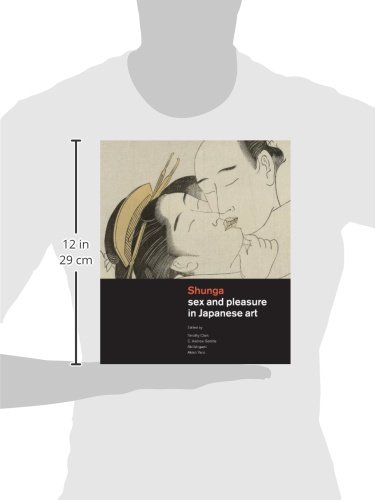 Unlike Western perceptions might suggest, shunga was not relegated to the margins of Japanese society during its heyday. These "spring pictures" enjoyed widespread popularity across all social classes in early modern Japan, from the samurai elite to merchants and commoners. The term "shunga" itself—literally meaning "spring pictures"—reflects the Japanese association of spring with renewal, fertility, and the natural cycle of sexual desire. This exceptional art form emerged during a period of relative peace and prosperity under Tokugawa shogunate rule, when a vibrant urban culture flourished in cities like Edo (modern-day Tokyo), Kyoto, and Osaka. As Japan maintained its policy of national seclusion (sakoku) between the 17th and mid-19th centuries, limiting foreign influence, distinctive native art forms including shunga thrived and evolved with remarkable sophistication.
What makes shunga particularly significant from a historical perspective is how it functioned within Japanese society. Unlike in many Western contexts where erotic art was often suppressed or hidden, shunga circulated relatively openly in Edo-period Japan. These works were commissioned by wealthy patrons, collected by men and women alike, and even given as gifts for various occasions, including weddings. The cultural attitudes toward sexuality in pre-modern Japan differed significantly from contemporaneous Western perspectives, with less religious stigma attached to sexual pleasure itself. While certain social regulations around sexuality certainly existed, the artistic expression of erotic themes was not subject to the same degree of moral condemnation found in many Western societies of the same era.
The production of shunga reached its zenith during the Edo period, coinciding with significant advancements in woodblock printing technology. This innovation allowed for mass production of colorful prints known as ukiyo-e ("pictures of the floating world"), of which shunga formed a substantial subcategory. Many of Japan's most celebrated artists, including masters like Katsushika Hokusai, Kitagawa Utamaro, and Suzuki Harunobu, created shunga alongside their other works. These weren't anonymous craftsmen working in obscurity, but renowned artists applying their considerable talents to the depiction of intimate encounters. The fact that these esteemed artists did not compartmentalize their artistic output between "respectable" and "erotic" subjects speaks volumes about the integrated place of sexuality within the broader Japanese artistic tradition.
Artistic Excellence: The Aesthetic Principles and Visual Language of Shunga
What immediately strikes viewers of shunga—even those encountering it for the first time—is the extraordinary level of artistic skill evident in these works. Far from crude or simplistic, shunga displays the same meticulous attention to composition, color, line work, and detail found in the finest Japanese art of any genre. The artists employed sophisticated visual techniques to create dynamic, emotionally resonant scenes that went far beyond mere anatomical representation. From the flowing lines of tangled limbs to the intricate patterns of textiles partially removed or disheveled during intimate encounters, shunga artists demonstrated exceptional observational abilities and technical mastery.
A distinctive characteristic of shunga is its tendency toward certain artistic conventions that might seem unusual to contemporary viewers. Perhaps most notably, the genitalia of both men and women are typically depicted in exaggerated proportions—not for crude effect, but to emphasize the central focus of these intimate encounters. This artistic choice highlights the celebration of sexual organs as worthy of aesthetic appreciation rather than objects of shame. Similarly, the faces of participants often display subtle expressions of pleasure, concentration, or emotional connection, rendered with remarkable sensitivity despite the stylized nature of the overall compositions.
The settings of shunga scenes reveal much about daily life in Edo-period Japan. Intimate encounters unfold in tatami-floored rooms with sliding paper doors, on verandas overlooking garden landscapes, or in the back rooms of tea houses. The participants are frequently depicted partially clothed, with elaborate kimonos and other garments artfully arranged to frame their bodies rather than fully removed. This partial clothing creates visual interest through the juxtaposition of exposed flesh with richly patterned textiles, while also reflecting the practical realities of intimate encounters in traditional Japanese interiors, which were often cool and drafty.
Color plays a crucial role in the aesthetic impact of shunga, particularly in works produced after the development of full-color woodblock printing techniques in the mid-18th century. Artists employed vibrant palettes to distinguish between different textiles, skin tones, and environmental elements. The technical challenges of achieving these color effects through the woodblock printing process—which required separate blocks for each color—testify to the high level of craftsmanship involved. The finest examples of shunga display perfect registration of multiple color blocks, creating seamless, luminous images that remain visually striking centuries after their creation.
Text frequently accompanies shunga images, appearing in speech bubbles or narrative captions that add another dimension to the artistic experience. These textual elements might include dialogue between the depicted lovers, their inner thoughts, poetic allusions, or humorous commentary. Such text transforms many shunga works into multimedia experiences that engage viewers both visually and verbally, often with sophisticated wordplay and literary references that would have been appreciated by educated audiences of the period. This integration of text and image reflects the broader Japanese artistic tradition, where calligraphy and visual elements frequently coexist in harmonious relationship.
Beyond Pleasure: The Social Functions and Cultural Messages of Shunga
While the explicit nature of shunga might suggest a singular purpose of arousal, historical research reveals that these works served multiple social and cultural functions in Edo-period Japan. Understanding these diverse roles helps us appreciate shunga as a complex cultural phenomenon rather than simply an exotic curiosity. First and foremost, shunga functioned as a form of sex education in a society where formal instruction on intimate matters was limited. Young people, particularly brides-to-be, might be given shunga to prepare them for married life, providing visual guidance on positions and techniques for mutual pleasure. This educational aspect reflects a pragmatic approach to sexuality that acknowledged the importance of physical compatibility and satisfaction within marriage.
Shunga also served as a form of entertainment and fantasy fulfillment, allowing viewers to vicariously experience intimate scenarios that might be inaccessible in their own lives. The depicted encounters often involved participants from different social classes or occupations—courtesans with wealthy merchants, samurai with commoners, or even supernatural beings with humans—creating narratives that transcended the strict social hierarchies of Edo-period society. In this sense, shunga functioned somewhat like contemporary romance novels or films, offering imaginative escapes from social constraints while simultaneously reinforcing certain cultural ideals about attraction and desire.
For merchants and travelers, shunga served yet another practical purpose: as talismans for protection. Woodblock prints of erotic scenes were sometimes carried by merchants to protect their goods from fire, reflecting folk beliefs about the protective power of sexual imagery. Similarly, travelers might keep small shunga prints among their possessions as charms against misfortune on dangerous journeys. These apotropaic uses of shunga highlight the complex relationship between sexuality and spirituality in Japanese folk tradition, where erotic energy was recognized as a powerful force that could be channeled for protective purposes.
Perhaps most importantly from a cultural perspective, shunga provided a space for artistic commentary on social relationships and gender dynamics in Edo-period Japan. While the depicted scenarios often show idealized encounters of mutual pleasure, shunga artists did not shy away from representing power imbalances, awkward situations, or even satirizing certain social types through their erotic representations. Pompous officials, naive young men, manipulative courtesans, and domineering wives all appear as stock characters in shunga narratives, often placed in situations that subtly mock their pretensions or reveal their vulnerabilities. This satirical dimension links shunga to the broader ukiyo-e tradition of social observation and commentary.
The representation of women's pleasure in shunga deserves particular attention, as it reflects cultural attitudes that diverge significantly from contemporaneous Western approaches to erotic art. Female sexual satisfaction is consistently depicted as important and valid in shunga, with women shown as active participants rather than passive objects. Facial expressions, body positions, and accompanying text frequently emphasize women's enjoyment and desire. While this doesn't necessarily indicate gender equality in Edo-period society as a whole, it does suggest a cultural recognition of female sexuality that contrasts with the more repressive attitudes often found in Western societies of the same era.
The Diverse World of Shunga: Themes, Subjects, and Variations
The thematic range of shunga extends far beyond simple depictions of heterosexual intercourse, encompassing a diverse array of human experiences, fantasies, and cultural references. This variety reflects the sophisticated nature of the genre and its embeddedness within broader Japanese artistic and literary traditions. Marital relations form one significant category of shunga imagery, showing couples in various stages of intimacy within domestic settings. These works often emphasize the tenderness and familiarity between long-term partners, capturing moments of connection that balance explicit sexuality with emotional intimacy. The accompanying text might include affectionate dialogue or references to shared history, presenting marriage as a context for ongoing sexual fulfillment.
Courtesans and their clients feature prominently in another major category of shunga, reflecting the significant role of the pleasure districts in urban Edo-period culture. These works provide fascinating glimpses into the elaborate rituals and aesthetics of professional sexual entertainment in early modern Japan. The depictions frequently show the luxurious settings of high-ranking brothels, with their distinctive architecture, furnishings, and decorative elements. The courtesans themselves appear as sophisticated professionals, often portrayed with greater agency and control than their clients. These images offer valuable historical documentation of the pleasure districts while simultaneously participating in their glamorization and mythologization.
Some of the most intriguing shunga works venture into the realm of the fantastic, depicting encounters with supernatural beings from Japanese folklore. Tengu (bird-like goblins), kappa (water spirits), foxes, and other yokai (supernatural creatures) appear as sexual partners for humans in scenarios that blend eroticism with the uncanny. These fantastical depictions allowed artists to explore extreme or impossible sexual scenarios while also drawing on rich traditions of supernatural lore. The inclusion of such fantastic elements underscores how shunga functioned not merely as pornography but as a space for imaginative exploration of desire beyond ordinary human experience.
Same-sex encounters also appear in the shunga repertoire, reflecting the complex attitudes toward homosexuality in Edo-period Japan. Male-male sexuality, particularly between older and younger men, was relatively accepted in certain contexts such as kabuki theater circles and samurai culture. Shunga depicting male couples often shows actors, samurai, or Buddhist monks as participants. Female-female sexuality appears less frequently but is not entirely absent from the shunga tradition. The depiction of same-sex relations in these works provides valuable historical evidence of sexual diversity in pre-modern Japan, though the cultural frameworks for understanding these relationships differed significantly from contemporary Western concepts of sexual orientation.
Humor plays a surprisingly important role in many shunga works, with artists frequently incorporating comic elements that might seem incongruous with erotic content to modern sensibilities. Awkward positions, interruptions by household members or pets, wardrobe malfunctions, and other mishaps feature in scenes that balance explicit sexuality with situational comedy. This humorous dimension reflects a cultural attitude that saw sex as a natural human activity that could be approached with lightness and laughter rather than excessive solemnity or shame. The comic aspects of shunga also connect it to other forms of Edo-period popular entertainment, such as kyōgen theater and senryū poetry, which similarly found humor in everyday human foibles.
Beyond these thematic categories, shunga encompasses an impressive range of artistic styles and approaches. Some works emphasize realistic detail and anatomical precision, while others employ more stylized or exaggerated visual language. Some focus tightly on the intertwined bodies of lovers, while others place sexual encounters within elaborately rendered interior or landscape settings. Some are produced as single-sheet prints meant for private viewing, while others form parts of illustrated books that combine erotic imagery with narrative text. This formal diversity reflects both the long historical development of the genre and the individual artistic visions of its many practitioners.
The Modern Rediscovery: Shunga's Journey from Censorship to Cultural Treasure
The fate of shunga took a dramatic turn during Japan's modernization in the Meiji era (1868-1912), when the government initiated policies aimed at conforming to Western notions of "civilization" and propriety. As Japan opened to international trade and diplomatic relations after centuries of isolation, concerns about how Japanese culture would be perceived by Westerners led to increasing restrictions on sexually explicit art. Shunga, once an accepted part of mainstream artistic production, became subject to censorship and moral condemnation. This shift marked not only a change in legal status but a profound transformation in cultural attitudes, as traditional Japanese openness about sexuality gave way to more Victorian sensibilities.
Throughout much of the 20th century, shunga remained in a curious position—widely known to exist but rarely publicly displayed or discussed in Japan. Museum collections kept these works in storage rather than exhibition, and academic study of the genre was limited. This period of official neglect had the unfortunate consequence of disconnecting many Japanese people from an important aspect of their cultural heritage. Meanwhile, in Western countries, shunga was often exoticized and misinterpreted, viewed through the distorting lens of Orientalist fascination rather than understood within its proper historical and cultural context.
The late 20th and early 21st centuries have witnessed a remarkable rehabilitation of shunga, both in Japan and internationally. Scholarly research has flourished, with art historians, cultural anthropologists, and literary scholars bringing new methodologies and perspectives to the study of these works. Major museums have begun to acknowledge the artistic and historical significance of shunga through groundbreaking exhibitions. Perhaps most notably, the British Museum's 2013 exhibition represented a watershed moment in the public presentation and scholarly appreciation of shunga, bringing together hundreds of masterworks from collections around the world and situating them within their rich cultural context.
This renewed appreciation of shunga coincides with broader reconsiderations of the relationship between art, sexuality, and censorship in contemporary society. As global cultures navigate changing attitudes toward sexual expression and representation, historical examples like shunga offer valuable perspectives on alternative approaches to these complex issues. The sophisticated integration of explicit sexuality with artistic excellence, emotional nuance, and cultural commentary found in shunga challenges simplistic categorizations of erotic art as either pornographic or legitimate. Instead, these works invite us to consider how sexuality might be represented with both frankness and aesthetic refinement.
For contemporary viewers encountering shunga for the first time, these works can be simultaneously shocking and revelatory. The explicit nature of the imagery may initially overwhelm other aspects, but sustained engagement reveals the extraordinary artistic achievement and cultural complexity embedded in these "spring pictures." Beyond their erotic content, shunga offers invaluable windows into the material culture, social relations, and aesthetic sensibilities of early modern Japan. The carefully rendered interiors, clothing, hairstyles, and objects provide documentary evidence of daily life during this period, while the emotional dynamics between depicted figures reveal much about period attitudes toward intimacy, desire, and human connection.
Collecting and Appreciating Shunga in the Contemporary World
For those intrigued by this fascinating artistic tradition, the comprehensive study of shunga represents an unparalleled resource. With over 400 high-quality reproductions of works from major public and private collections worldwide, this substantial volume offers unprecedented access to masterpieces that have often been difficult to view. The 560 lavishly illustrated pages provide not just visual documentation but essential contextual information that helps readers understand what they're seeing. Expert commentary from leading scholars in the field illuminates the historical circumstances, artistic techniques, and cultural significance of these remarkable works.
The physical qualities of this publication reflect the importance of its subject matter. At 10.1 by 11.7 inches and weighing over six pounds, it presents these artworks at a scale that allows appreciation of their intricate details and vibrant colors. The high-quality production values ensure that the reproductions capture the visual impact of the originals as faithfully as possible. Far from a casual picture book, this represents a serious scholarly resource that simultaneously functions as an art object in its own right—a fitting approach for material that so thoroughly integrates aesthetic and intellectual appeal.
Beyond its value to art historians and Japan specialists, this exploration of shunga offers insights relevant to anyone interested in the cultural history of sexuality, gender relations, or the diverse ways human societies have represented intimate experiences. The sophisticated treatment of sexual themes in these works challenges contemporary assumptions about the necessary separation of explicit content from artistic merit. Shunga demonstrates how a culture can approach sexuality with both celebration and refinement, integrating erotic themes into a broader artistic tradition rather than segregating them as fundamentally different from other subjects.
For collectors of art books or those building personal libraries focused on Japanese culture, this volume represents an essential addition. Its comprehensive scope, scholarly authority, and beautiful production make it the definitive English-language resource on this subject. While the explicit nature of the imagery means this isn't a coffee table book for every household, for those with serious interest in art history or Japanese cultural studies, it provides crucial documentation of a tradition that has too often been overlooked in standard art historical narratives.
The educational value of this publication extends beyond academic circles to anyone seeking a more nuanced understanding of Japanese cultural history. By presenting shunga within its proper historical and artistic context, it helps correct simplistic or exoticizing Western perceptions of Japanese attitudes toward sexuality. Instead of reinforcing stereotypes, this scholarly approach reveals the complex interplay of social norms, artistic conventions, and human experiences that shaped these remarkable works. This contextualization allows contemporary viewers to appreciate shunga with informed respect rather than mere curiosity.
The international research project that culminated in this publication represents an important model of cross-cultural scholarly collaboration. Experts from Japan, Europe, North America, and beyond contributed their specialized knowledge to create a truly comprehensive understanding of shunga. This collaborative approach acknowledges that no single cultural perspective can fully encompass the meaning and significance of these works. Instead, the dialogue between different scholarly traditions creates a richer, more nuanced interpretation that honors the complexity of the subject matter.
For those who find themselves captivated by the artistic mastery and cultural insights of shunga, this volume opens doors to further exploration of Japanese art and history. The contextual information provided about artists, publishing practices, and cultural frameworks offers numerous pathways for additional study. While focusing specifically on erotic art, the publication inevitably illuminates broader aspects of Edo-period culture that shaped these works, from literature and theater to fashion and interior design. This holistic approach makes the book valuable even beyond its specific subject matter.
The substantial nature of this publication—with its 560 pages of images and scholarly analysis—allows for a depth of engagement that goes far beyond what could be gleaned from a museum visit or casual internet browsing. The organization of materials enables readers to trace historical developments, compare different artistic approaches, and understand the various contexts in which shunga circulated. This comprehensive treatment ensures that readers come away with not just isolated impressions but a coherent understanding of shunga as a significant artistic and cultural phenomenon.
While the explicit nature of shunga imagery means this volume may not be appropriate for all settings or audiences, its scholarly approach ensures that the material is presented with appropriate context and respect. Rather than sensationalizing or fetishizing these works, the publication treats them as serious artistic and historical documents worthy of thoughtful analysis. This responsible handling of sensitive material models how explicit content can be studied and appreciated without either prudish avoidance or exploitative focus.
The enduring fascination of shunga lies in its unique combination of artistic excellence, cultural insight, and intimate human subject matter. These works speak across centuries and cultural boundaries because they address fundamental aspects of human experience with both frankness and refinement. In an age when discussions about the representation of sexuality remain contentious, these historical examples offer valuable perspective on alternative approaches to this perennial aspect of human life and creativity.
Conclusion: The Lasting Significance of Shunga in Art History and Cultural Understanding
The extraordinary world of shunga offers contemporary audiences a unique window into both the artistic achievements and cultural attitudes of early modern Japan. These "spring pictures" represent far more than mere curiosities or exotic erotica—they constitute a sophisticated artistic tradition that integrated explicit sexuality with aesthetic refinement, emotional nuance, and social commentary. Through the meticulous study and presentation of these works, we gain invaluable insights not only into Japanese history but into the diverse ways human cultures have approached the representation of intimate experiences.
What makes shunga particularly significant from a contemporary perspective is how it challenges common assumptions about the necessary separation between explicit sexual content and artistic merit. These works demonstrate that sexuality can be represented with both frankness and aesthetic sophistication, neither sanitized for propriety nor reduced to mere titillation. The artistic excellence evident in the finest shunga—the mastery of line and color, the psychological insight, the cultural references, the integration of text and image—reminds us that sexual themes have been part of serious artistic expression across many cultures and time periods.
For those intrigued by this fascinating chapter in global art history, numerous online retailers offer this exceptional volume for purchase. A simple search for "Shunga: Sex and Pleasure in Japanese Art" will direct you to reputable booksellers who carry this comprehensive study. While this substantial hardcover publication represents an investment, its exceptional quality, scholarly authority, and visual impact make it a worthwhile addition to any serious collection focused on art history, Japanese culture, or the history of human sexuality. Take a moment to explore the options available and discover how you can bring this remarkable exploration of Japanese erotic art into your personal library.