Revitalize Your Manhood: Natural Solutions for Testosterone Enhancement and Restored Vitality
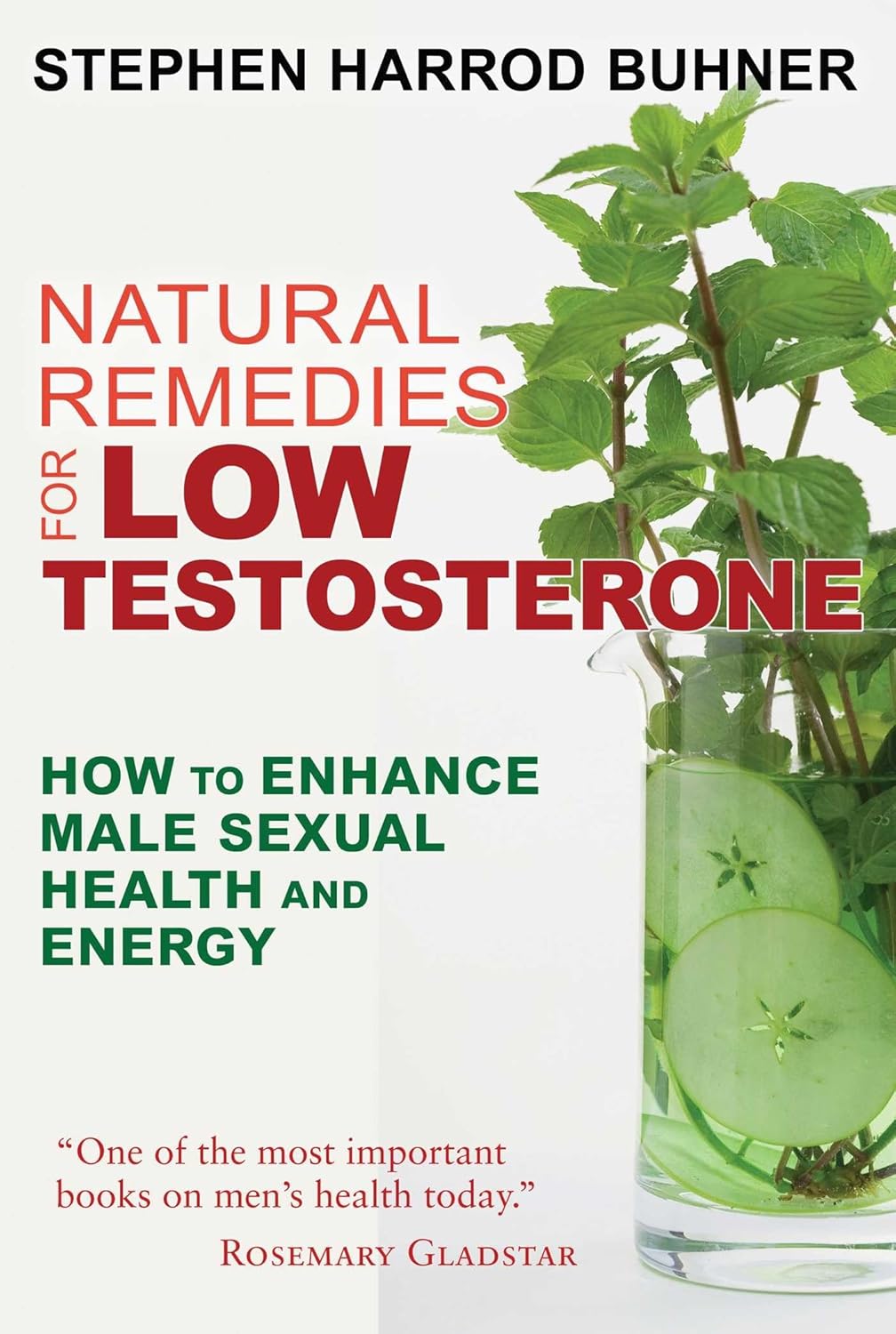
In today's modern world, men are facing unprecedented challenges to their hormonal health. Testosterone, the fundamental hormone that defines masculine characteristics, energy levels, and sexual vitality, is under siege from multiple fronts. If you've been experiencing unexplained fatigue, decreased libido, mood swings, or difficulty maintaining muscle mass, you might be among the millions of men experiencing the effects of declining testosterone levels. The good news is that nature provides powerful solutions that can help restore hormonal balance without the risks associated with synthetic hormone replacement therapies. This comprehensive guide explores how herbs, nutritional supplements, and dietary modifications can naturally enhance male sexual health, boost energy levels, and support optimal testosterone production well into your later years.
Understanding the Male Hormonal Crisis: Why Testosterone Matters
Testosterone is far more than just a sex hormone. It plays a crucial role in nearly every aspect of male health, from cognitive function and mood regulation to muscle development and bone density. Unfortunately, many men remain unaware that their testosterone levels naturally begin declining around age 30, dropping approximately 1% each year thereafter. This gradual reduction, often referred to as andropause or male menopause, lacks the dramatic hormonal signals that women experience during menopause. Instead, the changes occur subtly, often dismissed as normal aging, when in fact they represent a significant hormonal transition that deserves attention and management.
What makes this natural decline even more concerning is the growing evidence that environmental factors are accelerating and exacerbating testosterone reduction in men of all ages. Our modern environment is saturated with testosterone-blocking agents found in pesticides, plastics, pharmaceuticals, and even common food items. These estrogen-mimicking compounds create a "chemical cocktail" that disrupts the delicate hormonal balance essential for male health and vitality. The result is that men today are experiencing lower testosterone levels than their fathers and grandfathers did at the same age - a troubling trend with significant implications for physical and mental well-being.
While pharmaceutical testosterone replacement therapy (TRT) might seem like an obvious solution, recent medical research has revealed concerning cardiovascular risks associated with synthetic hormone treatments, including increased risk of heart attack and stroke. Even more troubling, the body can become dependent on external testosterone sources, potentially shutting down its natural production permanently. This creates a problematic dependency that many men prefer to avoid. Fortunately, nature offers a safer alternative through phytoandrogens - plant-based compounds that can gently and effectively support the body's own testosterone production without the risks of synthetic hormones.
The Environmental Assault on Male Hormones: Hidden Dangers Everywhere
The declining testosterone crisis isn't occurring in isolation. Our modern environment is filled with chemicals that actively interfere with male hormonal health. These endocrine-disrupting compounds (EDCs) are pervasive in everyday items we rarely think twice about. Plastic food containers, receipt paper, non-stick cookware, conventional produce, and even the linings of canned foods can leach chemicals that mimic estrogen in the body, effectively counteracting testosterone's effects. This chemical onslaught represents an unprecedented challenge to male reproductive health that previous generations simply didn't face.
Particularly concerning is the cumulative effect of these substances. While individual exposures might have minimal impact, the combined effect of multiple testosterone-disrupting chemicals creates what scientists call a "body burden" that can significantly alter hormonal balance over time. Research has documented declining sperm counts, increasing rates of testicular abnormalities, and earlier onset of low testosterone symptoms compared to historical norms. These trends correlate directly with the proliferation of industrial chemicals in our environment since the mid-20th century.
Water supplies represent another often overlooked source of hormone-disrupting compounds. Municipal water treatment systems, while effective against many contaminants, aren't designed to filter out pharmaceutical residues. Trace amounts of birth control hormones, antidepressants, and other medications regularly find their way into drinking water. These pharmaceutical remnants, though present in small quantities, can disrupt the endocrine system's delicate balance when consumed consistently over years or decades. Understanding these environmental factors is crucial because it highlights the importance of both minimizing exposure to testosterone-blocking agents and actively supporting the body's natural hormone production through targeted natural interventions.
The Andropause Reality: Male Menopause and Its Effects
Unlike the relatively sudden onset of female menopause, male hormonal decline occurs gradually, making it easier to overlook or dismiss. This phenomenon, medically termed andropause, affects virtually all men as they age, though individual experiences vary widely. The subtlety of this transition often means men attribute their symptoms to simply "getting older" rather than recognizing them as part of a specific hormonal process that can be actively managed. Recognizing the signs of andropause is the first step toward addressing declining testosterone levels effectively.
Common symptoms of andropause include diminished morning erections, reduced sexual desire, difficulty maintaining muscle mass despite regular exercise, increased abdominal fat, declining energy levels, mood changes including irritability or depression, cognitive changes such as brain fog or memory issues, and disturbed sleep patterns. These symptoms typically emerge gradually over years, making them easy to normalize or attribute to lifestyle factors rather than hormonal changes. By the time many men seek help, they've often been experiencing testosterone decline for a decade or more.
What makes andropause particularly challenging is its impact on multiple body systems simultaneously. Low testosterone affects everything from cardiovascular health and metabolism to mood regulation and cognitive function. The hormonal decline can create a cascade effect where symptoms reinforce each other - poor sleep reduces testosterone production, which further impairs sleep quality, creating a difficult cycle to break. Understanding andropause as a natural but manageable transition rather than an inevitable decline is essential for maintaining quality of life through middle age and beyond. With appropriate natural interventions, many men can maintain healthy testosterone levels well into their senior years, avoiding or minimizing many of the symptoms traditionally associated with male aging.
Nature's Pharmacy: Powerful Phytoandrogens for Testosterone Support
The plant kingdom offers remarkable solutions for supporting male hormonal health. Phytoandrogens are plant compounds that either contain natural androgens (male hormones) or support the body's own testosterone production. Unlike synthetic hormones, these natural compounds work with your body's existing systems, helping to restore balance rather than forcing artificial levels that may create dependency or side effects. These botanical allies have been used in traditional medicine systems worldwide for centuries to support male vitality and reproductive health.
Among the most powerful testosterone-supporting herbs is Tribulus terrestris, a plant that has demonstrated remarkable ability to stimulate the body's natural testosterone production by increasing luteinizing hormone levels. Clinical studies have shown Tribulus can improve sperm parameters, enhance libido, and support healthy erectile function. Similarly, Tongkat Ali (Eurycoma longifolia) has centuries of traditional use in Southeast Asian medicine for male vitality. Modern research confirms its ability to increase free testosterone levels by reducing sex hormone binding globulin (SHBG), the protein that makes testosterone unavailable for use in the body. For men experiencing stress-related testosterone suppression, adaptogenic herbs like Ashwagandha (Withania somnifera) offer dual benefits - reducing cortisol levels while simultaneously supporting testosterone production.
Pine pollen represents one of nature's most direct sources of phytoandrogens, as it naturally contains bioidentical androgens including testosterone, androstenedione, and DHEA. This makes it particularly valuable for men seeking gentle hormone support without pharmaceutical intervention. For prostate health, which is intimately connected to hormonal balance, saw palmetto (Serenoa repens) and nettle root (Urtica dioica) provide targeted support by helping to prevent the conversion of testosterone into dihydrotestosterone (DHT), a hormone that can contribute to prostate enlargement and hair loss when present in excess. These herbs help maintain optimal testosterone levels while protecting against common age-related prostate issues.
The beauty of botanical testosterone support lies in the synergistic effects of combining multiple herbs. Rather than isolating single compounds as pharmaceutical approaches do, herbal formulations harness the complex array of beneficial compounds found in each plant. This creates a more balanced effect that addresses multiple aspects of hormonal health simultaneously. For example, while one component of an herb might directly support testosterone production, other compounds in the same plant may help reduce inflammation, support liver function for hormone processing, or improve blood flow to reproductive organs. This holistic approach aligns perfectly with the body's own interconnected systems.
The Testosterone-Diet Connection: Eating for Hormonal Health
What you eat plays a crucial role in determining your hormonal balance. The modern Western diet, high in processed foods, refined carbohydrates, and unhealthy fats, creates the perfect storm for testosterone suppression. Conversely, strategic dietary choices can significantly boost your body's natural hormone production and help maintain optimal testosterone levels throughout life. Understanding these nutritional connections provides powerful tools for enhancing male vitality without medications or supplements.
Perhaps the most important dietary factor for testosterone production is consuming adequate healthy fats. Contrary to outdated nutritional advice that demonized all fats, we now know that cholesterol and saturated fats are essential precursors for testosterone synthesis. Organic, pasture-raised eggs provide an excellent source of these building blocks, along with grass-fed meats, wild-caught fatty fish, avocados, olive oil, and coconut oil. Men who follow extremely low-fat diets often experience significant drops in testosterone levels, highlighting the importance of these nutrients for hormonal health.
Zinc and magnesium deserve special attention as minerals critically involved in testosterone production. Oysters contain more zinc per serving than any other food, making them a traditional fertility food for men. Pumpkin seeds, grass-fed beef, and crab also provide excellent zinc sources. Magnesium, often deficient in modern diets, can be found in dark leafy greens, almonds, dark chocolate, and avocados. Studies show that correcting deficiencies in these minerals can boost testosterone levels by 30% or more in previously deficient men. Vitamin D, often called the "sunshine vitamin," also plays a crucial role in testosterone production, with research showing direct correlations between vitamin D status and testosterone levels.
Just as important as knowing what to eat is understanding what to avoid. Sugar and refined carbohydrates cause insulin spikes that directly suppress testosterone production. A single high-sugar meal can reduce testosterone levels by up to 25% for several hours. Alcohol consumption, particularly in excess, has been shown to reduce testosterone levels both acutely and chronically. Soy products, which contain phytoestrogens, may potentially disrupt hormone balance when consumed in large quantities. Commercially raised meat and dairy often contain residual hormones that can interfere with your own hormonal balance. Choosing organic, hormone-free animal products whenever possible helps minimize exposure to these external hormone disruptors.
Lifestyle Factors: Beyond Diet and Supplements
While herbs and nutrition form the foundation of natural testosterone support, lifestyle factors play an equally important role in hormonal optimization. Sleep quality stands as perhaps the most underappreciated factor in testosterone production. Research demonstrates that men who sleep only 5-6 hours nightly have testosterone levels 10-15% lower than those who get 7-8 hours. The majority of daily testosterone release occurs during REM sleep, making quality rest non-negotiable for hormonal health. Creating a consistent sleep schedule, minimizing blue light exposure before bed, keeping your bedroom cool and dark, and addressing sleep disorders like sleep apnea can significantly improve testosterone production.
Exercise patterns dramatically influence hormone levels, but the relationship is more nuanced than many realize. Resistance training has been shown to acutely increase testosterone levels, with compound movements like squats, deadlifts, and bench presses producing the greatest hormonal response. However, excessive endurance exercise, particularly long-duration cardio, can actually suppress testosterone production by elevating cortisol levels. The sweet spot appears to be moderate-intensity strength training 3-4 times weekly, combined with short, intense interval training rather than prolonged cardio sessions. This balanced approach maximizes the hormonal benefits of exercise while avoiding the suppressive effects of overtraining.
Stress management represents another crucial but often overlooked aspect of testosterone maintenance. Chronic stress triggers persistent cortisol elevation, which directly suppresses testosterone production. The body essentially chooses survival over reproduction during periods of perceived threat, diverting resources away from hormone production. Implementing effective stress reduction techniques such as meditation, deep breathing exercises, time in nature, or regular participation in enjoyable activities can help maintain optimal testosterone levels even during challenging life periods. Some research suggests that simply spending time in natural environments can reduce cortisol and support healthy testosterone levels.
Environmental detoxification deserves consideration as well. Minimizing exposure to endocrine-disrupting chemicals can significantly reduce the burden on your hormonal system. Practical steps include filtering drinking water, choosing glass or stainless steel food storage containers instead of plastic, selecting organic produce when possible (especially for the "dirty dozen" most contaminated fruits and vegetables), avoiding synthetic fragrances in personal care products, and using natural cleaning products. These simple changes can substantially reduce your exposure to testosterone-disrupting compounds, giving your body's natural hormone production mechanisms a better chance to function optimally.
Sexual Health and Function: Addressing Intimate Concerns Naturally
Sexual health concerns represent one of the most common reasons men begin investigating testosterone support. While pharmaceutical options like erectile dysfunction medications address symptoms, natural approaches aim to resolve the underlying causes of sexual dysfunction, which often stem from hormonal imbalances, circulation issues, or nervous system factors. A comprehensive natural approach can often restore sexual function while simultaneously improving overall health.
Erectile function depends primarily on healthy blood flow to the genital region. Several herbs have demonstrated remarkable ability to support this crucial aspect of male sexual health. Panax ginseng, sometimes called the "herbal Viagra," has been shown in multiple studies to improve erectile function by increasing nitric oxide production, the same mechanism targeted by pharmaceutical ED medications. Pine bark extract (Pycnogenol) works synergistically with the amino acid L-arginine to enhance nitric oxide synthesis and improve erectile quality. Horny goat weed (Epimedium) contains compounds that both support testosterone levels and inhibit PDE5, the enzyme that causes erections to subside.
Beyond physical function, libido and sexual desire depend largely on proper hormone balance and neurological factors. Mucuna pruriens, a tropical legume rich in L-dopa, supports both testosterone production and dopamine synthesis, enhancing sexual motivation and pleasure. Maca root from the Peruvian highlands doesn't directly affect testosterone levels but works on the hypothalamic-pituitary axis to balance overall hormone production and enhance sexual desire. For men experiencing premature ejaculation, botanicals like Rhodiola rosea can help by modulating stress response and supporting nervous system balance.
Prostate health intimately connects with sexual function and hormonal balance. As men age, maintaining proper prostate function becomes increasingly important for sexual satisfaction and urinary health. Beta-sitosterol, a plant compound found in saw palmetto, pygeum, and nettle root, helps prevent testosterone conversion to DHT while reducing prostate inflammation. Flower pollen extracts have demonstrated ability to reduce prostate enlargement and improve urinary symptoms in multiple clinical trials. Zinc, particularly when combined with antioxidants like selenium and vitamin E, provides crucial nutritional support for prostate tissue health and hormone processing.
Perhaps most importantly, a holistic approach recognizes the intimate connection between emotional well-being and sexual health. Stress, anxiety, and relationship difficulties can significantly impact sexual function regardless of hormone levels. Adaptogenic herbs like Ashwagandha and Holy Basil help the body manage stress while supporting testosterone production. Mindfulness practices and communication skills can address psychological barriers to sexual satisfaction. This integrated approach acknowledges that optimal sexual health emerges from the harmony of physical, hormonal, and emotional factors working together.
Creating Your Personalized Testosterone Support Protocol
With so many natural options available for supporting testosterone and male vitality, developing a personalized approach becomes essential. Everyone's body, health history, and specific needs differ, making individualization the key to success. Starting with baseline awareness through symptoms tracking or hormone testing can provide valuable insights into your particular situation and help measure progress as you implement natural solutions.
For men just beginning to experience mild testosterone decline, focusing on foundational lifestyle factors often yields significant improvements. Prioritizing quality sleep, implementing stress management techniques, optimizing exercise patterns, and cleaning up dietary choices can sometimes completely resolve early hormonal imbalances without additional interventions. Adding basic nutritional support through zinc, magnesium, vitamin D, and B-complex vitamins provides the essential building blocks for hormone production that may be lacking in even relatively healthy diets.
Those experiencing more significant symptoms or who have confirmed low testosterone levels through testing may benefit from adding targeted herbal support. Beginning with adaptogenic herbs like Ashwagandha helps address stress-related hormone suppression while gently supporting testosterone production. As needed, more direct testosterone-supporting botanicals like Tribulus, Tongkat Ali, or pine pollen can be incorporated. The key is starting with lower doses and fewer herbs, then gradually adding or adjusting based on your body's response. This measured approach minimizes the risk of side effects while identifying the specific combinations that work best for your unique biochemistry.
Timing and cycling of supplements often enhances their effectiveness while preventing potential adaptation issues. Some herbs work best when taken continuously, while others may be more effective when cycled, such as two weeks on followed by one week off. Similarly, certain supplements produce better results when taken at specific times - zinc and magnesium often work best before bed, while adaptogens like Rhodiola typically provide greater benefits when taken in the morning. Working with a knowledgeable healthcare practitioner familiar with botanical medicine can help you develop the most effective protocol for your specific needs and monitor progress appropriately.
Patience and consistency remain vital for natural testosterone support. Unlike pharmaceutical approaches that force immediate hormonal changes, natural methods work by supporting your body's own regulatory systems. This typically produces more sustainable results but requires time - often 2-3 months before the full benefits become apparent. Tracking specific symptoms like energy levels, libido, body composition changes, mood, and sleep quality provides more immediate feedback than hormone testing alone and helps maintain motivation during this adjustment period. The gradual improvements experienced with natural approaches often prove more stable and comprehensive than the quick but sometimes problematic results of synthetic hormone therapy.
The Future of Male Hormonal Health: Prevention and Optimization
As scientific understanding of male hormonal health continues advancing, the focus is increasingly shifting toward prevention and optimization rather than simply treating deficiencies after they develop. Emerging research suggests that proactive hormonal support beginning in early adulthood may help men maintain higher testosterone levels throughout life, potentially avoiding many age-related health concerns. This preventative approach recognizes that hormonal decline, while natural, can be significantly influenced by lifestyle choices and environmental factors.
The growing field of epigenetics - how environmental factors influence gene expression - offers particularly promising insights for male hormonal health. Research indicates that specific botanical compounds can positively affect the expression of genes involved in testosterone production and metabolism. These epigenetic effects may explain why traditional testosterone-supporting herbs often produce benefits beyond what their direct hormonal content would suggest. As this field develops, we may discover increasingly targeted natural approaches that support optimal gene expression for hormonal health throughout the lifespan.
Technological advances are also making personalized hormone optimization more accessible. Home testing kits now allow men to monitor not just testosterone but also related hormones like estrogen, DHEA, and cortisol without frequent doctor visits. Mobile applications can track symptoms, supplement regimens, and lifestyle factors, identifying patterns and correlations that might otherwise go unnoticed. These tools empower men to take a more active role in managing their hormonal health and fine-tuning their natural support protocols based on objective data rather than guesswork.
Perhaps most importantly, cultural attitudes toward male hormonal health are evolving. What was once a rarely discussed topic is increasingly recognized as a legitimate health concern deserving of attention and proactive management. This cultural shift reduces stigma and encourages men to address hormonal issues before they significantly impact quality of life. The growing interest in natural approaches reflects both increasing awareness of pharmaceutical side effects and a broader cultural movement toward more holistic health management. As this trend continues, we can expect continuing innovation in natural testosterone support options and greater integration of these approaches into conventional healthcare.
Conclusion: Reclaiming Your Masculine Vitality Naturally
The journey to optimal testosterone levels and restored masculine vitality is both highly personal and eminently achievable through natural means. By understanding the complex interplay of environmental factors, lifestyle choices, nutritional status, and botanical support, men of all ages can take meaningful steps toward hormonal balance without resorting to synthetic hormone replacement. The comprehensive approach outlined here addresses not just testosterone levels themselves but the entire ecosystem of factors that influence male hormonal health.
The beauty of natural testosterone support lies in its holistic nature. Unlike pharmaceutical approaches that often create dependency and potential side effects, natural methods work by nurturing your body's innate regulatory systems. This typically results in improvements that extend far beyond hormone levels - enhanced energy, improved body composition, better mood, sharper cognition, and more satisfying sexual function often develop simultaneously as hormonal balance is restored. These comprehensive benefits reflect the interconnected nature of the body's systems and the far-reaching influence of optimal testosterone levels on overall health.
Perhaps most empowering is the realization that many factors affecting testosterone levels remain within your control. While aging itself cannot be prevented, the rate and extent of hormonal decline can be significantly influenced by conscious choices. By implementing the dietary, lifestyle, and botanical strategies described here, you can take meaningful steps toward maintaining youthful vitality and sexual health well beyond what conventional wisdom suggests is possible. This proactive approach transforms the narrative around male aging from one of inevitable decline to one of conscious optimization and continued vitality.
If you're ready to explore natural approaches to testosterone optimization, this comprehensive guide provides an excellent starting point. Look for this valuable resource online at your favorite book retailers where quality health and wellness books are sold. With the right information and a commitment to your hormonal health, you can experience the remarkable benefits of optimized testosterone levels naturally, safely, and sustainably for years to come.